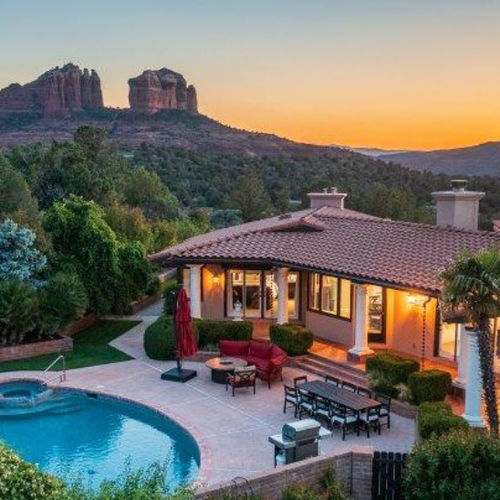
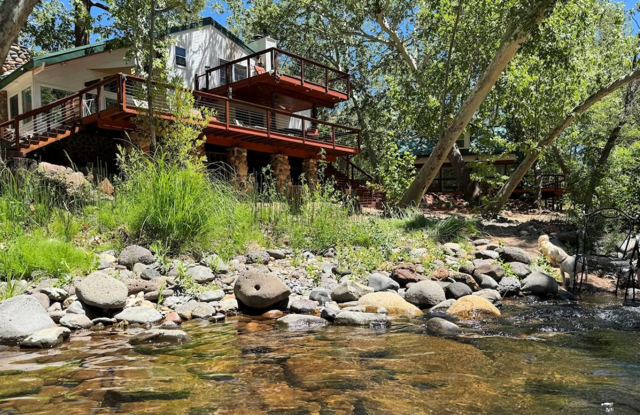
Ask most people what makes a Sedona luxury home worth buying, and they'll say the view — specifically, those massive red rock formations sitting right outside the window like nature's version of a statement wall. It's a fair assumption. Sedona built its reputation on that dramatic desert scenery, and plenty of high-end buyers come here specifically chasing it. But a growing number of affluent buyers are making a different call, and it's not because they couldn't find a red rock view property. Along Oak Creek, where the water moves through mature cottonwoods and sycamores and the air runs noticeably cooler, there's a version of Sedona that operates at a completely different frequency. The sound of running water replaces the visual intensity of canyon walls. The shade is real, not architectural. The seclusion feels earned rather than manufactured. These buyers aren't compromising — they're just prioritizing privacy, calm, and a daily sensory experience that a dramatic view alone doesn't always deliver. Whether you're looking at a gated community along the creek or a standalone property with direct water access, the Oak Creek corridor offers something the red rock view market genuinely can't replicate. This article breaks down the emotional and lifestyle reasons behind that choice, compares what creekside living actually feels like day-to-day versus the iconic desert backdrop, and helps you figure out which Sedona setting actually fits how you want to live — not just how you want your listing photos to look.
No source link or source content summary was provided, so no external linking can be added.
Why This Choice Is About Lifestyle Not Status
The red rock view versus Oak Creek debate isn't really about which property looks better on paper — it's about what a home actually does for you on a Tuesday morning when you're jet-lagged, overscheduled, and just need somewhere that lets you breathe.
Where a Home Earns Its Keep Through Calm
Affluent buyers who spend their weeks managing high-pressure decisions, long flights, or back-to-back client commitments tend to want their home to do the opposite of what their work does. A dramatic red rock view is visually arresting, but it's still stimulating. Oak Creek properties offer something different — the kind of quiet that actively works on you. The sound of moving water running through the creek corridor, the density of cottonwood and sycamore canopy filtering afternoon light, the noticeably cooler air temperature near the water — these aren't just pleasant details. They're the conditions under which people actually decompress.
There's a rhythm to living near Oak Creek that a view-centric property doesn't always provide. Morning walks along the water, coffee on a shaded deck where the temperature is manageable even in summer, evenings where the ambient noise is the creek rather than the wind cutting across an exposed ridge — these become the daily anchors that make a home feel genuinely restorative rather than just expensive.
Oak Creek as Its Own Definition of Luxury
The Oak Creek corridor — running through areas like Tlaquepaque, the Village of Oak Creek, and stretches near Sedona's more residential neighborhoods — sits at a comfortable distance from the tourist-heavy energy of uptown Sedona. That's not a knock on uptown, but buyers who want a home rather than a vacation-adjacent property tend to find the creek corridor more livable on a permanent or semi-permanent basis. The foot traffic is lower, the pace is slower, and the surrounding landscape feels less like a backdrop and more like a neighborhood.
Creekfront and creek-adjacent homes carry their own market identity because of this. They're not the consolation prize for buyers who missed out on a Cathedral Rock view. They represent a specific type of acquisition — one where the buyer has decided that water access, mature tree cover, and a softer sensory environment outweigh the prestige of an unobstructed red rock panorama. That's a deliberate trade, not a downgrade, and the buyers making it usually know exactly what they're after.
Choosing Oak Creek over a classic view property reflects a clear-eyed understanding of how a home fits into daily life — not just how it photographs. Buyers drawn to this corridor have typically moved past the phase of buying for impression and into the phase of buying for experience, where the measure of value is how well a property supports the life they actually want to live, not the one they want to show off.
What To Check Before You Buy Near The Creek
The lifestyle pull of a creekside property is real, but good feelings don't show up on a title report. Before any offer goes in, there's a specific set of due diligence items that matter more for water-adjacent properties than for standard Sedona homes — and skipping them is how buyers end up surprised after closing.
- Schedule multiple visits at different hours. A property that feels serene at 10 a.m. on a weekday can feel completely different at 4 p.m. on a Saturday when foot traffic picks up along the creek corridor. Pay attention to how much direct sun hits the outdoor areas, whether the shade from the tree canopy actually covers the spaces you'd use most, and how the ambient sound from the water shifts across the day. These details determine whether the outdoor areas are genuinely usable or just visually appealing from inside.
- Get specific answers about water and flood risk. Ask the seller or listing agent directly about the property's floodplain designation, any recorded high-water events, and what the creek access situation actually looks like — whether it's deeded, shared, or subject to an easement. On the insurance side, it's worth knowing that "most homeowners insurance excludes flood damage," which makes separate flood coverage a practical necessity rather than an optional add-on. FEMA's Mapping and Insurance eXchange (FMIX) is the resource for verifying flood zone classifications, and the NFIP Community Rating System website can help you understand how local flood management programs affect your premium.
- Read the HOA documents thoroughly if the property sits within a gated or managed community. Communities along Oak Creek — particularly those in more curated neighborhoods — often have architectural review requirements that govern everything from exterior paint colors to dock structures near the water. Short-term rental policies vary significantly between communities, so if rental income or occasional Airbnb use is part of the plan, confirm what's actually permitted before assuming anything.
- For standalone properties, pull the survey and review the boundaries carefully. Creek-adjacent parcels sometimes have riparian setbacks, shared access paths, or utility easements that reduce the buildable or usable area more than the listing suggests. If the property uses a well or septic system rather than municipal connections, get those inspected and ask how they've performed during both dry summers and wetter monsoon seasons — Oak Creek's water levels shift considerably across the year, and that affects everything from groundwater to drainage.
Treating a creekside purchase the same way you'd approach any other luxury acquisition — with thorough vetting and clear expectations — is what separates a great long-term decision from an expensive lesson. The properties along Oak Creek that hold their value and deliver on their promise are the ones where the daily experience matches what the setting suggests, and that alignment doesn't happen by accident. It comes from asking the right questions before the paperwork is signed.
Final Thoughts
Not every high-end buyer who comes to Sedona leaves with their heart set on a red rock view — and that's not a consolation prize situation. For a specific kind of buyer, the draw of Oak Creek is just stronger. The sound of moving water, the shade from mature cottonwoods, the sense that the property sits apart from the rest of the world — that combination hits differently than a dramatic canyon backdrop, even a gorgeous one.
The core takeaway here is straightforward. Choosing an Oak Creek property over a red rock view home isn't settling. It's a deliberate lifestyle call rooted in privacy, sensory comfort, and a quieter version of what Sedona luxury can look like. Both choices have real merit, and the better one depends entirely on how you actually want to spend your time on the property — not just how you want it to photograph.
If you're someone who wants to wake up to stillness, sit outside without feeling exposed, and have a natural feature that genuinely changes how a day feels, creekside living in Sedona deserves serious consideration alongside the more iconic options.
Use the lifestyle cues and practical checkpoints covered in this article to get honest with yourself about what matters most — dramatic scenery, daily calm, or some mix of both. That clarity alone will make your search faster and far less frustrating. The right Sedona property exists; you just need to know which version of Sedona you're actually buying into.
Check out this article next