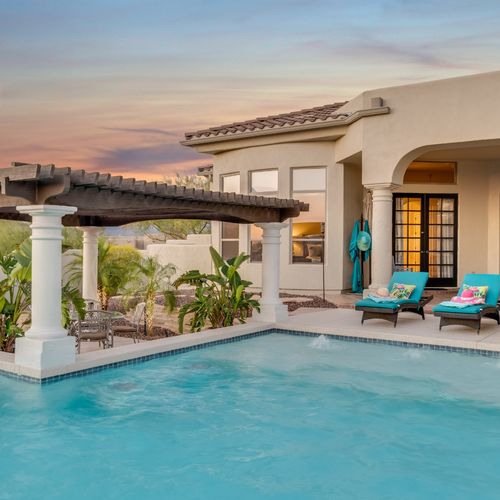
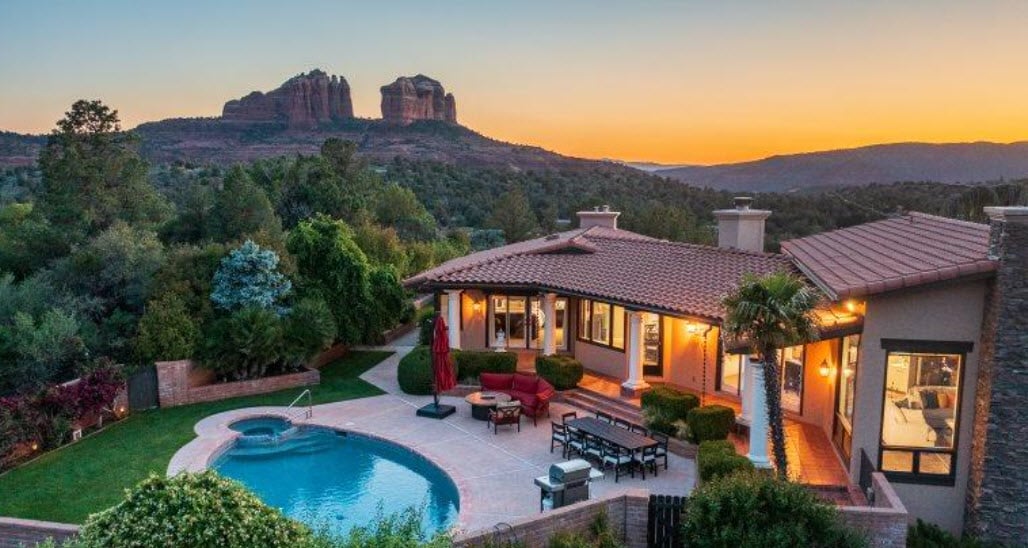
A 3-bedroom home in Sedona with red rock views and a hot tub can generate 15% to 30% more gross short-term rental revenue than a comparable home without those features — and that gap is exactly what separates a second home that pays for itself from one that quietly drains your bank account every month. Most buyers shopping for a second home in Sedona are thinking about how the property will feel to them personally, which makes sense, but the buyers who come out ahead are the ones who also think about how it will perform when they're not there. Sedona is one of those rare destination markets where personal use and rental income can genuinely coexist — strong year-round guest demand, a short supply of quality vacation rentals, and a guest base willing to pay a premium for the right amenities all work in a buyer's favor. The real question is whether you're capable of identifying which properties are actually built to perform, or whether you'll end up with a beautiful home that consistently underperforms as a rental. This article breaks down what actually drives revenue in the Sedona short-term rental market, which features guests consistently pay more for, and how to approach your purchase in a way that gives you both the retreat you want and a property that can meaningfully offset your mortgage, taxes, insurance, and upkeep costs — so what should you be looking for before you make an offer?
No source link or source content summary was provided, so I cannot add any external linking.
Why Sedona Can Be a Strong Second Home and Income Play
Sedona sits in a category of its own when it comes to destination markets — well-located properties here don't just hold their value, they can actively generate income that offsets what you're spending to own them. The key word is "can," because not every Sedona home performs equally. The ones that do perform well share a common thread — they give guests something they can't get anywhere else, and guests are willing to pay a meaningful premium for that.
Market Performance and Pricing Power
Short-term rental revenue in Sedona varies far more than most buyers expect. A well-positioned 3-bedroom home with red rock views, quality outdoor space, and the right amenities can generate significantly more gross rental income than a comparable property without those features — we're talking a 15% to 30% revenue gap depending on location, seasonality, and how well the property is managed. Guests booking in Sedona aren't just looking for a place to sleep — they're paying for a specific experience, and the nightly rate reflects that. A home that delivers on scenery and setting commands stronger rates and tends to book faster, which means higher occupancy and fewer gaps in the calendar. That combination of rate and occupancy is what actually moves the revenue needle.
Demand Drivers and Owner Appeal
What makes Sedona particularly attractive from a demand standpoint is that it draws visitors for multiple, overlapping reasons throughout the year. Wellness travel is a major driver — Sedona has built a national reputation around its spa retreats, sound healing experiences, and vortex sites, which pull a consistent stream of guests who aren't just passing through. Outdoor recreation adds another layer, with trails like Cathedral Rock, Bell Rock, and the West Fork Trail drawing hikers, mountain bikers, and photographers across every season. Then there's the scenic getaway crowd — couples, families, and remote workers who want to disconnect from their daily routine without flying somewhere complicated. That mix of motivations keeps demand from collapsing in the off-season, which matters a great deal when you're trying to project annual rental income with any confidence.
For owners, this year-round demand structure creates real flexibility. You can block off the weeks you want for personal use — spring wildflower season, fall foliage, a quiet winter escape — and still have enough open dates to generate rental income that covers a substantial portion of your carrying costs. Mortgage payments, property taxes, insurance, and maintenance don't pause when you're not there, but rental revenue during those open weeks can absorb a meaningful share of those expenses, making the overall cost of ownership far more manageable than a traditional second home.
Selecting the right property from the start is what makes all of this work. A home that checks the boxes guests actually care about — views, outdoor living space, a hot tub or pool, and proximity to Sedona's most popular areas — gives you both a retreat you'll want to return to and an asset that performs when you're away.
Not Every Sedona Home Will Perform Well as a Short-Term Rental
Buying in Sedona does not automatically mean buying into strong rental income. The market data makes this clear — entry-level properties sit at $98 RevPAR while best-in-class properties achieve $466 RevPAR, which is nearly a 5x difference between the bottom and top tiers. That gap doesn't come down to square footage or bedroom count. It comes down to whether the property was chosen with a guest's experience in mind.
The spread between a median performer and a top performer is wide enough to determine whether your second home covers its own costs or becomes a financial drag. Typical properties generate $175 RevPAR, while strong performers earn $303 RevPAR — that's a $128 difference per available night, which compounds significantly across a full calendar year. Buying the wrong home in the right market is still buying the wrong home.
So what actually separates the properties that perform from the ones that don't? Four factors consistently drive the gap more than bedroom count alone —
- View quality — Sedona guests are paying for an experience rooted in the landscape. A home with direct red rock views commands stronger nightly rates and attracts more bookings because the scenery itself becomes part of the product. A comparable home tucked behind trees or facing a street loses that competitive edge entirely, regardless of how well-appointed the interior is.
- Amenity package — A hot tub, spool, or pool shifts a property from a place to sleep into a destination experience. Guests searching in Sedona filter by these features, which means properties without them are competing in a smaller, more price-sensitive pool of demand. The amenity package directly affects how many guests even see your listing.
- Location — Proximity to trailheads like Cathedral Rock or Bell Rock, and walkability to Uptown Sedona, affects both the type of guest you attract and how much they're willing to pay. Properties in West Sedona or Village of Oak Creek each carry different demand profiles, and understanding those micro-location differences before you buy is what separates a calculated purchase from a hopeful one.
- Management and execution — Even a well-located, well-amenitized property can underperform with inconsistent pricing, slow guest communication, or poor listing photography. Professional management or a disciplined self-management approach — dynamic pricing, fast response times, and strong reviews — directly influences where a property lands in the performance tiers.
Treating a Sedona purchase purely as a personal retreat is a valid choice, but if income is part of the plan, the property needs to be evaluated as a hospitality product from the start. That means comparing homes based on what a guest would pay for — the view from the back patio, the outdoor amenities, the access to trails — rather than what appeals to you personally. Both lenses matter, but only one of them drives revenue.
What to Look for Before You Buy in Sedona
Knowing which features drive revenue is only half the equation — the other half is knowing how to apply that knowledge when you're actually walking through properties and making purchase decisions. The criteria that separate high-performing rentals from average ones translate directly into a practical filter you can use during your search.
Start With the View
Red rock views are the first thing to screen for, and they're non-negotiable if income is part of your plan. Sedona's "iconic red rock formations" are central to the destination's appeal, and a property with direct sightlines to landmarks like Cathedral Rock, Bell Rock, or Courthouse Butte is fundamentally a different product than one without them. Guests aren't just booking a house — they're booking the experience of waking up to those formations from a bedroom window or a back patio. That distinction shows up directly in what guests are willing to pay per night.
The view also affects how quickly a property books. A listing with strong red rock sightlines stands out in search results because the scenery does the selling. A home with an obstructed or street-facing view has to compete on price instead, which pulls the nightly rate down and puts pressure on occupancy. When you're evaluating properties, treat the view as a pricing asset, not just an aesthetic preference.
Prioritize Location and Functional Layout
"Proximity to trailheads" is a key factor for guests, according to the City of Sedona's official tourism resources — and that holds true in the rental market as well. Properties within easy reach of Sedona's trail network, scenic corridors, and the activity hubs that visitors plan their trips around consistently attract stronger demand. West Sedona and the Village of Oak Creek each offer different access points to these experiences, so understanding which micro-location fits your target guest profile is worth researching before you make an offer.
On layout, a 3-bedroom, 2-bath configuration hits a practical sweet spot for second-home buyers. It accommodates families and small groups — the core of Sedona's vacation rental demand — without pushing you into luxury price territory. You get enough space to serve a broader range of guests without overextending on the purchase price, which keeps your income-to-cost ratio in a healthier range from day one.
Think Like a Guest, Not Just an Owner
Open common areas and strong indoor-outdoor flow matter more than most buyers initially realize. Guests traveling in groups want shared spaces where they can gather — a connected kitchen and living area, a covered patio that extends the usable square footage, and easy access between the interior and outdoor amenities. These features show up well in listing photos and make a property feel more spacious and social, both of which drive stronger booking interest.
Mentally walking through a home as if you're scrolling its listing photos is a useful discipline. Ask whether the property communicates a genuine Sedona experience — dramatic views, outdoor living, connection to the landscape — or whether it reads as a standard house that happens to be located in Sedona. That distinction is exactly what guests are filtering for when they choose where to book.
The Features That Often Separate Top Earners from Average Rentals
Properties that consistently land in the top revenue tier in Sedona aren't winning because they have more bedrooms or a bigger floor plan — they're winning because of a specific combination of features that guests actively filter for and pay more to access. Understanding that stack before you buy is what gives you real pricing power in this market.
- Red rock views — A direct sightline to Sedona's formations — Cathedral Rock, Bell Rock, Courthouse Butte — is the single most powerful revenue driver a property can have. Guests aren't browsing listings looking for a comfortable house; they're searching for a specific visual experience, and the moment a listing photo shows those red formations from a bedroom window or back patio, the property stops competing with everything else in the search results. That distinction translates directly into a higher ceiling on nightly rate and faster booking velocity, which means fewer vacant nights dragging down your annual revenue.
- Hot tub, spool, or pool — Sedona draws a significant share of wellness-focused travelers — guests booking spa retreats, vortex experiences, and scenic relaxation stays who expect the property itself to be part of the recovery experience. A hot tub or spool positioned with a view of the surrounding terrain delivers exactly that. These guests aren't price-sensitive in the same way a budget traveler is — they're choosing based on the quality of the experience, and a property with a soaking feature priced appropriately will consistently outperform one without it. Properties with these amenities also show up in filtered searches that properties without them never appear in at all, which is a direct booking conversion advantage.
- Outdoor living space — A covered patio, a well-arranged seating area, and usable outdoor square footage facing a sunset corridor are revenue features, not decorative ones. Guests traveling to Sedona specifically want to spend time outside — watching the light shift across the rock formations, unwinding after a day on the trails, or simply sitting somewhere that feels removed from their regular routine. A property that delivers that through a functional, well-designed outdoor space gives guests a reason to pay more per night and leave stronger reviews, both of which compound over time into higher occupancy rates.
- Spa-style interiors and high-design finishes — Interior quality matters more in Sedona than in a lot of other short-term rental markets because the visual experience is central to why guests book here in the first place. Natural materials, clean architectural lines, and a design aesthetic that feels intentional rather than generic all show up well in listing photography and push a property into a higher perceived value tier. These finishes don't need to be expensive — they need to feel cohesive and deliberate, which is what separates a listing that converts at a strong rate from one that guests scroll past.
Stacking these four features into a single property gives you the ability to set and hold a competitive nightly rate without having to discount to fill the calendar — and that's the difference between a second home that pays for itself and one that doesn't.
What a Revenue Premium Can Look Like for a Typical Sedona Home
The numbers behind a Sedona purchase shift considerably depending on which version of the same basic home you buy — and putting concrete figures to that difference is what makes the feature conversation genuinely useful rather than theoretical.
Comparing Two 3-Bedroom, 2-Bath Sedona Homes
Take a standard 3-bedroom, 2-bath home in Sedona — the most common configuration in the short-term rental market, where the median property generates approximately $18,242 in annual gross revenue. Now compare two versions of that same floor plan. One sits on a lot with direct red rock sightlines and a hot tub on the back patio. The other is a comparable build in a similar neighborhood, but the view is obstructed and there's no outdoor water feature. That second home will likely generate 15% to 30% less gross rental revenue than the first — not because it's a worse house structurally, but because it's missing the specific elements Sedona guests are actively filtering for when they book.
That 15% to 30% gap can widen further when the view-facing property is also managed well. Unobstructed views can add $75–$150 per night to average daily rate, and when that pricing advantage is paired with professional management — dynamic pricing, fast guest response, and listing photography that actually captures the sightlines — the income gap between the two properties grows well beyond what the base comparison suggests. "Sedona rewards property selection and positioning more than almost any other vacation rental market," and the revenue data backs that up directly.
What This Means for Your Purchase Decision
A well-furnished home without a view isn't a bad rental — it can still attract consistent bookings and generate steady income. The issue is where it lands relative to the full range of what Sedona properties earn. A nicely appointed but viewless home typically performs closer to the market median than the top quartile, which means it's generating income but not at the level that meaningfully offsets a mortgage, property taxes, and ongoing maintenance costs. That distinction matters a great deal when the goal is to make ownership financially sustainable, not just marginally profitable.
The more useful way to evaluate any Sedona property is through the lens of revenue spread rather than market averages. "The gap between a median performer and a top-10% performer can be 3x or more" — and that spread is driven almost entirely by amenity stacking and location quality, not bedroom count. Buyers who focus on what the average Sedona rental earns are looking at the wrong number. The right question is where a specific property, with its specific features, is likely to land within that spread — because that's what actually determines whether the income side of the equation holds up.
Choosing between two otherwise similar Sedona homes often comes down to a few specific features, and those features are the difference between a property that actively supports your cost of ownership and one that produces just enough income to feel like it's working.
The Ownership Details to Check Before You Commit
Revenue projections are only as useful as the legal and operational foundation underneath them. A property that looks strong on paper can fall apart quickly if the compliance side isn't handled before the first guest ever books — and in Sedona, that side of ownership has some very specific requirements worth knowing before you make an offer.
- Arizona TPT licensing and Sedona's short-term rental permit — Any Sedona owner who rents their property for even a single day per year is required to hold both an Arizona Transaction Privilege Tax license and a City of Sedona short-term rental permit before advertising or accepting a booking. These aren't optional registrations you sort out after the fact — they're prerequisites. Operating without them exposes you to fines and puts your ability to rent at risk entirely. Getting these in place before your first listing goes live is the baseline, not a bonus step.
- HOA and community rules around short-term rentals — A significant number of Sedona properties sit within HOA-governed communities, and not all of them allow rentals under 30 days. Some HOAs prohibit short-term rentals outright, while others impose restrictions on frequency, guest count, or parking. Verifying these rules during due diligence — not after closing — is what keeps you from purchasing a property you're legally barred from renting. Ask for the CC&Rs directly and read them carefully, because HOA restrictions can override your rental plans regardless of what city regulations allow.
- Guest management and neighborhood relations — Sedona is a community where owner accountability is taken seriously. Noise complaints, parking issues, and disruptive guests don't just create friction with neighbors — they can trigger formal complaints that put your permit status at risk. Capable owners set clear house rules, use noise monitoring tools like Minut or NoiseAware, and respond to guest issues quickly. Maintaining good standing in your neighborhood isn't just a courtesy; it's a practical part of protecting your ability to keep renting.
- Ongoing operational responsibilities — Running a short-term rental isn't passive. Turnover cleaning, restocking supplies, coordinating maintenance, managing guest communication, and staying current on local regulatory changes all require consistent attention. Whether you self-manage or hire a property manager, these responsibilities don't disappear — they just shift who handles them. Factoring in the time and cost of operations before you buy gives you a far more accurate picture of what ownership actually involves.
- Building real costs into your underwriting — Permit fees, TPT tax remittance, cleaning costs per turnover, platform fees, and property management commissions — which typically run 20% to 30% of gross revenue in the Sedona market — all need to be included in your financial model before you commit. A property that generates strong gross revenue can still underperform net of these expenses if they weren't accounted for from the start.
Vetting a Sedona property across all three dimensions — legal standing, operational readiness, and net financial performance — is what separates a well-structured purchase from one that creates ongoing headaches. Each dimension is capable of derailing the others if it's overlooked, which is why all three need to check out before you sign.
Why the Best Sedona Purchases Work Beyond the Monthly Income
Getting the compliance and financial modeling right matters — but those are the mechanics of ownership, not the reason you're buying. The deeper case for a Sedona second home is that the right property can serve two distinct purposes at once, and very few markets give buyers that kind of dual return.
Lifestyle Flexibility Today
Sedona's appeal as a destination isn't manufactured — it's geographic and consistent. The red rock formations, the trail access, the wellness culture that draws visitors from across the country — none of that is going away. That durability is what makes personal use so valuable here. You're not just buying a retreat; you're buying access to a place that holds its draw year after year, which means the weeks you block off for yourself are genuinely worth protecting. Whether that's a long spring weekend during wildflower season or a quiet January stay when the crowds thin out, the property works for you personally in a way that a standard investment asset never could.
That flexibility is also what makes the income side of the equation feel less like a trade-off and more like a structure. You use the home when you want it, and it earns when you don't. The key is that Sedona's guest demand is strong enough to make those open weeks productive — visitors are actively seeking out properties here, and the market's year-round draw across wellness travel, outdoor recreation, and scenic getaways means you're not dependent on a single season to generate meaningful revenue.
Long-Term Value Comes From Buying With Both Emotion and Discipline
The properties that hold up best over time — financially and personally — are the ones where the buyer's taste and the guest's expectations overlap. A home with red rock sightlines, a hot tub positioned toward the terrain, and a well-designed outdoor living area is something you'll want to return to repeatedly. It's also exactly what guests are filtering for when they search Sedona listings. That alignment isn't accidental; it's the result of buying with both personal preference and market awareness working together rather than pulling in opposite directions.
Ownership costs don't compress on their own over time — mortgage payments, property taxes, and maintenance are fixed regardless of how much you use the property. What rental income does is absorb a meaningful share of those costs during the months you're not there, which makes sustained ownership far more realistic. A property that guests genuinely want to book isn't just generating income — it's actively supporting your ability to keep the home long enough to benefit from Sedona's long-term appreciation as a destination market.
Treating a purchase decision as both a personal and financial commitment — where the features you love are also the features guests will pay for — is what separates a second home that works from one that quietly becomes a burden. Evaluate the view, the amenities, and the location the same way a guest would, and the property you choose will serve you on both sides of that equation.
Final Thoughts
Sedona is one of those rare markets where buying a second home for personal use and buying one as an income-producing asset don't have to be separate decisions. The numbers back this up. A 3-bedroom, 2-bath home with red rock views and a hot tub or pool can generate roughly 15% to 30% more gross short-term rental revenue than a comparable home without those features. That gap matters when you're trying to offset a mortgage, HOA fees, property taxes, and management costs.
But the data also makes something else clear - not every Sedona home performs equally. Location, layout, outdoor living space, and management quality all move the needle in ways that a beautiful interior alone simply can't. Buyers who walk into this market without thinking through those variables often end up with a home they love but a rental that underperforms.
The good news is that you're now capable of approaching this differently. You understand which amenities actually drive occupancy and nightly rates, why destination markets like Sedona hold long-term value, and how to run basic underwriting before you make an offer. That puts you ahead of most buyers in this space.
The next step is straightforward - start evaluating specific properties with both your lifestyle needs and rental performance in mind. Pull data from platforms like AirDNA or Rabbu to stress-test your assumptions on any home you're seriously considering. The right Sedona property is out there, and you now have the framework to find it.
Check out this article next